Dealing with a dripping showerhead or central heating boiler can be an actual hassle, but don't stress - we have you taken care of. Whether it's a relentless drip or a constant stream, the secret is to recognize the origin and address it promptly. With the appropriate steps and a bit of knowledge, you'll have those troublesome leaks dealt with in a snap. So, let's plunge in and discover the secrets to restoring your home's plumbing back to its former splendor. By the time we're done, you'll be the resident pipes specialist, exciting your friends and family with your newfound abilities.
Secret Takeaways
Examine the showerhead for visible damage, mineral build-up, or loose connections and replace or cleanse the components as required.
Analyze boiler pipes and links for cracks, loosened fittings, or low stress, and attend to any type of concerns to determine and take care of the leakage.
Disassemble the showerhead, change worn washers, and reconstruct it effectively to prevent future leaks.
Gain access to the boiler components, determine the leak source, and use plumbing professional's tape or sealer throughout reassembly to prevent future leakages.
Comply with security preventative measures, such as using safety equipment and making sure the central heating boiler is powered off and cooled off before beginning any type of repair services.
Diagnosing a Dripping Showerhead
To identify a dripping showerhead, very first turn on the water and inspect the showerhead closely for any type of noticeable signs of damage or wear. Depending on the kind of showerhead you have actually - taken care of, portable, or rainfall - the root causes of a drip can differ. Common reasons consist of a worn-out washer, a buildup of mineral deposits, or a malfunctioning valve.
If the showerhead is leaking from the base, the concern is likely a damaged washer or a loosened connection between the showerhead and the shower arm. Tightening up the link or changing the washer might address the trouble.
If the drip is coming from the face of the showerhead, mineral build-up is possibly the offender. Try saturating the showerhead in vinegar to eliminate the down payments. For a portable showerhead, the concern could be a malfunctioning valve mechanism that needs substitute.
Recognizing the specific reason for the drip is the very first step in repairing your showerhead. With a little troubleshooting, you can obtain your shower back to a consistent, drip-free flow.
Disassembling the Showerhead
When you have actually identified the source of the drip, it's time to take apart the showerhead. Unscrew the showerhead from the shower arm, making sure not to lose any tiny components. Thoroughly examine each element to identify the necessary repair services.
Showerheads are available in different types, consisting of repaired, portable, and rains versions. No matter the type, the disassembly procedure is similar. Beginning by getting rid of the outer case, which may be safeguarded with a preserving ring or screws. This will certainly expose the inner elements, such as the spray nozzles, gaskets, and flow restrictor.
Check the nozzles for any mineral build-up or damages that might be causing the drip. If the nozzles are obstructed, you can try soaking them in vinegar or utilizing a small brush to remove the down payments. Replace any used or damaged gaskets to assure a proper seal and prevent future leaks.
The flow restrictor, which manages the water flow, might also require to be cleaned or replaced if it's creating the drip. Rebuild the showerhead, verifying all the parts are properly lined up and tightened, and test it for any remaining leaks.
Cleaning and Changing the Washers
Next off, you'll want to tidy or change any washers that might be creating the drip. Damaged or broken washing machines are a common perpetrator for leakages in showerheads and boilers. Very carefully evaluate the washers, and if they're broken, hardened, or no longer providing a limited seal, it's time to exchange them out.
For showerheads, the washing machines are usually constructed from rubber or plastic. They're easy to replace - simply loosen the showerhead, remove the old washers, and install the brand-new ones, seeing to it they're seated correctly.
For boilers, the washing machines may be made of materials like EPDM (Ethylene Propylene Diene Monomer) or fiber. Replacing these can be a little bit harder, so make sure to follow the manufacturer's guidelines very closely.
No matter which home appliance you're working on, be specific to cleanse the surfaces where the washers rest before placing the brand-new ones in. This will assist ensure an appropriate seal and prevent future leakages.
With the appropriate washing machine materials and setup techniques, you'll have that drip dealt with in no time at all.
Reconstructing the Showerhead
With the brand-new washing machines in position, you can currently reassemble the showerhead. Thoroughly screw the showerhead back onto the shower arm, ensuring it's firmly tightened up. Double-check that all links are limited to prevent any future leakages.
Next, evaluate the showerhead products. If you notice any type of buildup of minerals or particles, make use of a soft-bristled brush and cozy water to carefully clean up the surface area. Prevent using unpleasant cleaners, as they can damage the finish.
As soon as the showerhead is clean, you'll require to gather a couple of plumbing tools, such as flexible wrenches and pliers. Make use of these devices to reattach any kind of components, such as the faceplate or flow regulatory authority, that you may have eliminated during the disassembly procedure. Make sure whatever is straightened effectively and tightened securely.
Determining Central Heating Boiler Leakage Sources
If your central heating boiler is dripping, you'll need to recognize the source of the leak.
Begin by inspecting the pipelines and links for any kind of fractures or loosened fittings that can be creating the problem.
Additionally, examine the stress of your boiler - reduced stress can result in leaks and might call for a repair service.
Identifying Leak Origins
Identifying the resource of a boiler leakage starts by very closely checking the system's components and links. Drip detection starts with a thorough wetness assessment. Inspect the central heating boiler's joints, valves, and seals for any kind of signs of dampness or dripping. Meticulously analyze the pipes and fittings for splits or loose connections that can be enabling water to leave.
Do not ignore the stress relief valve, which is an usual offender for boiler leakages. If it's continuously trickling, it might need to be replaced. Inspect the condensate drainpipe line too, as obstructions below can cause backups and leakages. Move systematically, tracing the water's path from the intake to the exhaust.
When you've determined the leakage's origin, keep in mind the specific place. This will assist you figure out the very best repair work method, whether it's tightening up a suitable, changing a gasket, or more comprehensive work. Remain alert, and do not think the trouble is fixed until you've completely tested the central heating boiler and verified there are no more leaks.
Assessing Pipe Condition
Very closely evaluating the problem of the boiler's pipelines is essential for recognizing the resource of any type of leaks. Meticulously check out the pipelines and installations for noticeable splits, corrosion, or loose links that could be allowing water to get away.
Pay very close attention to the pipe products, as different products can be vulnerable to different kinds of corrosion. Copper pipes, as an example, may develop pinhole leaks as a result of matching rust, while galvanized steel pipes can struggle with basic corrosion that damages the whole pipeline.
Thoroughly run your hands along the size of the pipelines, feeling for any bumps, bulges, or soft places that might show a problem. In addition, check the joints and fittings for any kind of indicators of trickling or moisture.
Tighten up any kind of loose links, and take into consideration replacing any kind of parts that show up drastically rusted or damaged. By thoroughly reviewing the condition of the central heating boiler's pipes, you'll have the ability to determine the resource of the leak and take the essential steps to fix it.
Acknowledging Stress Issues
Acknowledging pressure issues is essential when determining the resource of central heating boiler leakages. You'll wish to keep track of the boiler's stress gauge carefully, as unexpected declines or spikes can show an issue within the system. Focus on any fluctuations, as they could be an indicator of pressure guideline problems.
If the pressure is consistently too expensive, maybe triggered by a blocked or defective pressure relief valve. On the other hand, reduced pressure could recommend a leak in the system.
You'll also wish to look out for water hammer - the loud banging audio that occurs when the water flow is unexpectedly stopped or altered. This can put strain on the pipes and bring about leakages with time.
Accessing the Central Heating Boiler Parts
To access your central heating boiler's components, you'll initially require to find the gain access to panel.
Once you've found it, you can determine the different elements inside.
Thoroughly remove the accessibility cover to expose the inner operations of your boiler.
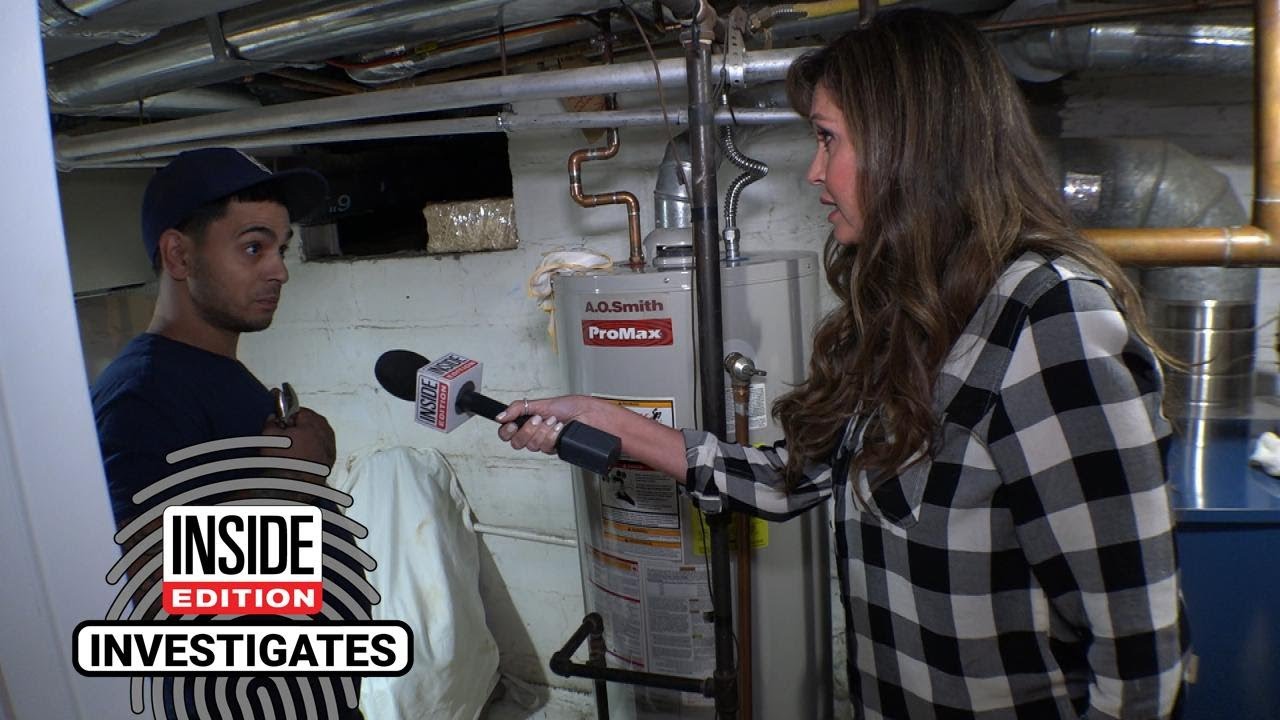
Situate Central Heating Boiler Access Panel
When you've located the boiler, you'll require to identify the access panel that supplies access to the inner elements. This panel is https://stephenzchm259.theburnward.com/just-how-to-handle-rusty-piping generally found on the front or side of the boiler housing, and it may be safeguarded with screws, clips, or a latch. Keep in mind of the sort of bolts so you can have the ideal tools handy.
Before you remove the access panel, it is essential to focus on safety and security. Verify the boiler is powered off and cooled down completely. Put on protective gloves and eyewear to protect on your own from any debris or hot surface areas. Thoroughly check the gain access to panel for any signs of damages or rust, which can endanger the seal and make the panel challenging to eliminate.
With the correct precautions in place, you can now proceed to get rid of the accessibility panel and gain access to the central heating boiler's inner elements. This will certainly enable you to identify and address the dripping concern, in addition to carry out any needed central heating boiler upkeep jobs.
Identify Boiler Components
With the accessibility panel eliminated, you can currently explore the boiler's internal elements. Recognize the primary parts, such as the heat exchanger, burner assembly, and control panel, to much better comprehend how the system operates.
The heat exchanger is the core of the boiler, in charge of transferring warm from the combustion process to the water flowing with the system.
The heater assembly consists of the igniter, gas shutoff, and burning chamber, where the fuel is shed to generate heat.

The control panel houses the thermostat, which controls the central heating boiler's temperature and operation.
Acquainting yourself with these essential parts is critical for efficient boiler upkeep and improving energy performance.
Keeping the warm exchanger tidy and the burner assembly well-adjusted can improve the central heating boiler's efficiency and minimize energy usage.
In addition, confirm the control panel is functioning appropriately to keep suitable temperature level control and avoid any kind of possible concerns.
Remove Gain Access To Cover
Since you have actually acquainted on your own with the central heating boiler's interior parts, you'll require to eliminate the gain access to cover to get a more detailed look and begin any type of essential repair services.
Start by collecting the needed plumbing devices, such as a wrench, screwdriver, and perhaps an utility knife. Situate the gain access to cover, which is generally secured with screws or clips. Thoroughly remove the cover, remembering of any kind of gaskets or seals that might need to be replaced throughout reassembly.
With the cover off, you'll have a clear view of the central heating boiler's inner workings, consisting of the heating elements, water lines, and other important components.
Evaluate the area for any kind of signs of leakages, damages, or corrosion, and take down any type of issues that require to be dealt with. This accessibility will also allow you to execute any essential shower maintenance, such as replacing the showerhead or cleansing the water lines.
Bear in mind to take your time and work securely, as boiler repair work can be intricate and possibly dangerous if not done appropriately.
Dealing With the Boiler Leak
Before dealing with the central heating boiler leakage, you'll need to identify its resource. Check the central heating boiler's pressure gauge, as a drop in stress can indicate a leak. Check the central heating boiler's links and fittings for any indicators of wetness or damages.
If you locate the leakage, turn off the power and supply of water to the central heating boiler. Drain the system, after that take apart the damaged location to access the problem. You may need to replace worn gaskets, tighten fittings, or seal any kind of fractures or holes. When reassembling, use plumbing technician's tape or sealant to stop future leakages.
For ongoing boiler upkeep, on a regular basis check the stress and conduct visual evaluations. Addressing tiny issues quickly can assist protect against larger, a lot more costly issues down the line.
Furthermore, consider installing a water treatment system to minimize mineral buildup and prolong the boiler's lifespan. With correct leak avoidance and maintenance, you can keep your central heating boiler running successfully and prevent the headache of water damages.
Regularly Asked Concerns
Can I Make Use Of Duct Tape to Take Care Of a Dripping Showerhead?
You can try utilizing duct tape to momentarily repair a trickling showerhead, yet it's not one of the most reliable long-term remedy.
Duct tape may momentarily stop the leak, yet it won't resolve the underlying problem triggering the drip.
For showerhead upkeep, it's better to take apart the fixture, clean the components, and replace any type of worn washing machines or gaskets.
This will certainly provide a much more reliable fix and avoid future drips.
Just how Frequently Should I Tidy My Central Heating Boiler to Prevent Leakages?
To avoid leakages in your boiler, you'll require to preserve it on a regular basis.
Purpose to cleanse your boiler a minimum of annually to remove any type of accumulation that might bring about problems. This aids guarantee it's running efficiently and decreases the danger of leakages.
Make sure to follow the supplier's directions for correct central heating boiler upkeep and cleansing to keep it in top form and prevent any kind of expensive repair work down the line.
Is It Safe to Fix a Central Heating Boiler Leakage Myself?
Repairing a boiler leak yourself can be dangerous. It's ideal to have a professional handle it to assure security.
While standard central heating boiler upkeep like routine cleansing can aid avoid leakages, any major concerns must be resolved by a certified technician.
They'll recognize the proper safety precautions and have the right tools to take care of the problem properly.
Do not place yourself in injury's way - allow the experts handle central heating boiler maintenance and repairs.
Can I Replace the Showerhead Without Turning off the Water?
You can definitely change the showerhead without shutting off the water, however it's ideal to do so with care.
When replacing the showerhead, bear in mind the water stress impacts. Transform the water on slowly to avoid an abrupt burst, and hold the brand-new showerhead in position as you tighten it to prevent leaks.
Follow the producer's directions carefully for a protected, drip-free installment.

With the ideal showerhead replacement ideas, you can switch out your old one without any water mishaps.
What Should I Do if the Boiler Leak Keeps Coming Back?
If the boiler leakage maintains returning, it's time to take a more detailed consider your central heating boiler's upkeep.
Beginning by inspecting the pressure relief valve and looking for any fractures or rust.
You may likewise need to bleed the system to remove air pockets.
Take into consideration utilizing leakage avoidance techniques like sealants or substitute parts to quit the leak completely.
Don't hesitate to speak with a professional if you can't pinpoint the issue.
Conclusion
You can repair a trickling showerhead and boiler by first evaluating them for problems.
Saturate the showerhead in vinegar to eliminate mineral buildup, then tighten up or replace the washers.
For a boiler leakage, examine the stress gauge, pipelines, and connections, shutting off power and water before making repairs.
Regular upkeep is essential to preventing future leakages.